
Pipeline Integrity Jobs in the USA
Pipeline integrity jobs keep operating pipelines safe for decades after construction. These professionals find corrosion, cracks and dents, rank the risk and plan the repairs. ARKLA Integrity United connects integrity engineers, analysts and corrosion specialists with the U.S. energy providers that manage these assets.
Integrity management careers by role
Pipeline integrity careers sit between field data and engineering decisions. Operators need them because federal integrity management rules require ongoing assessment of transmission lines.
Pipeline integrity engineer jobs
Integrity engineers build and run the operator’s integrity management program. They review assessment results, run fitness-for-service calculations such as ASME B31G and set repair priorities. Most roles want a mechanical, civil or materials engineering degree.
Integrity management specialist and pipeline integrity analyst jobs
Specialists keep the program compliant and audit-ready. Analysts align ILI, CP and dig data in GIS so engineers can act on it. Pipeline integrity technician jobs support both with field verification digs.
Corrosion engineer and corrosion technician jobs
Corrosion engineers design mitigation for internal and external corrosion. Corrosion technicians run coupons, inhibitor programs and close-interval surveys. Pipeline corrosion technician jobs are often project-based, so corrosion technician contract jobs are common.
Cathodic protection technician and specialist jobs
Cathodic protection technicians test rectifiers, test stations and ground beds. Specialists design CP systems and solve interference problems. AMPP’s CP1 to CP4 path is the standard credential ladder.
In-line inspection technician and ILI data analyst jobs
ILI technicians launch and receive smart pigs and track tool runs in the field. ILI data analysts grade MFL, UT and EMAT signals to size anomalies. ASNT ILI-PQ qualification is widely requested.
Risk-based inspection engineer and asset integrity manager jobs
RBI engineers apply API 580 and 581 to rank where inspection effort goes. Asset integrity managers own the full program budget and team for a pipeline system or facility.
Materials engineer, metallurgist and failure analysis engineer jobs
These lab-minded roles study why steel fails. Metallurgist jobs and failure analysis engineer jobs grow after incidents and during material verification programs.
Certifications for pipeline integrity jobs
| Role | Common credential or skill |
|---|---|
| Integrity engineer | PE license (preferred), ASME B31G / B31.8S |
| Cathodic protection | AMPP CP1, CP2, CP3, CP4 |
| ILI data analyst | ASNT ILI-PQ Level II/III |
| RBI engineer | API 580 / 581, API 571 |
| Corrosion technician | AMPP Corrosion Technician, OQ tasks |
Top skills for pipeline integrity jobs
Certificates open the door, but skills keep you hired. These are the skills providers mention most when filling pipeline integrity jobs:
- Data interpretation: reading ILI, CP and dig reports and spotting patterns across them.
- Engineering assessment: remaining strength, fitness-for-service and repair criteria.
- Regulatory knowledge: federal integrity management rules for gas and liquids lines.
- Software skills: GIS, integrity databases and spreadsheets for risk models.
- Field sense: understanding how dig crews, ILI tools and CP systems really work.
Where pipeline integrity work is across the USA
Houston is the center of integrity engineering, so pipeline integrity jobs in Texas lead the country. Tulsa, Oklahoma is home to several ILI and integrity service firms. Louisiana, Pennsylvania and Ohio hold dense transmission networks. California and Michigan carry heavy regulatory focus on aging lines. Alaska keeps a long-term integrity program on the Trans-Alaska Pipeline System. Colorado and Illinois add gas utility integrity work.
Pipeline integrity jobs in all 50 states
Every state with transmission pipe needs integrity support, which means all 50. Choose your state to see providers looking for integrity talent.
Contract vs. staff integrity roles
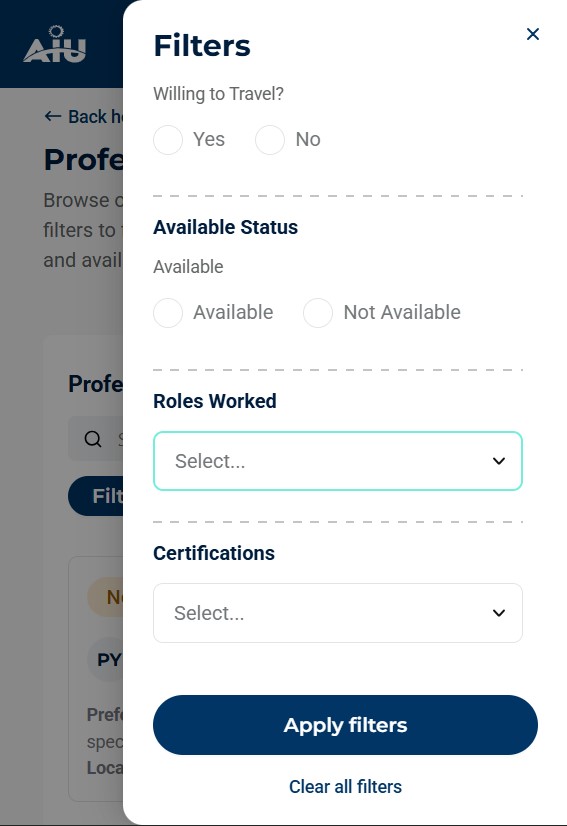
Operators keep core integrity engineers on staff and add contractors for dig seasons and ILI campaigns. Pipeline integrity contract jobs and ILI data analyst contract jobs often run three to nine months. Set your availability on ARKLA so providers see you before the season starts.
How to build a pipeline integrity career
Pipeline integrity jobs reward people who can connect field evidence with engineering judgment. Many integrity specialists start as CP technicians, ILI field technicians or inspection staff, then add analysis skills over time.
Engineers usually enter after a mechanical, civil or materials degree and spend their first years reviewing dig results and assessment reports. Technicians grow by stacking credentials, such as AMPP CP1 to CP4 or ASNT ILI-PQ levels. Analysts grow by learning GIS, data alignment and the operator’s integrity software.
Whatever the entry point, keep a log of assessments, digs and repairs you supported. Integrity managers hire on proven judgment, and that log is the proof. Add it to your ARKLA profile so providers filling pipeline integrity jobs see your exact experience.
How ARKLA helps integrity professionals
Integrity work is specialized, and generic job boards bury it. ARKLA Integrity United lets you tag your exact skills, like ILI grading, CP design or RBI, so providers searching for that skill find you. Your verified credentials sit on one profile, and the AI résumé builder formats complex project work clearly.
Join ARKLA Integrity United
where integrity meets opportunity.
Frequently Asked Questions
What does a pipeline integrity engineer do?
They assess pipeline condition using inspection data, judge which defects need repair and keep the operator compliant with federal integrity management rules.
Is cathodic protection a good career?
Yes. Every buried steel pipeline needs CP, so demand is steady, and the AMPP CP1-CP4 path gives a clear way to advance.
What is an ILI data analyst?
An analyst who interprets smart pig data to locate and size corrosion, dents and cracks inside a pipeline.
Do I need a degree for pipeline integrity jobs?
Engineer roles do. Technician, CP and ILI field roles usually value certifications and experience more.
Can I find pipeline integrity contract jobs on ARKLA?
You can make yourself visible for them. Providers post project needs and search profiles; ARKLA does not guarantee contracts.
What is the difference between pipeline integrity and pipeline inspection?
Inspection checks that a pipeline is built correctly. Integrity work keeps an operating pipeline safe over its lifetime by assessing its condition, ranking risks and planning repairs.
Which software do pipeline integrity analysts use?
Analysts commonly use GIS platforms, integrity management databases, ILI vendor software and spreadsheets or BI tools. Employers value people who can align data from several sources into one clear picture.
Are pipeline integrity jobs available outside Texas?
Yes. Every state with transmission pipelines needs integrity work, and many operators run integrity teams in Oklahoma, Pennsylvania, Ohio, Colorado, California, Michigan and Illinois as well as Texas.