Energy Infrastructure Technology Jobs in the USA
Energy infrastructure technology jobs turn pipelines and grids into data: where assets are, what condition they are in and whether control systems are secure. These roles blend field knowledge with GIS, drones, SCADA and cybersecurity. ARKLA Integrity United connects tech-skilled energy professionals with U.S. providers modernizing their infrastructure.
Technology Careers in Energy Infrastructure
Energy infrastructure technology careers are among the few energy roles that mix field days with office or remote work. Each one starts with data or systems.
GIS Analyst and GIS Technician Jobs
GIS analysts build and maintain the map of every pipe, valve and pole. Pipeline GIS work uses data models such as PODS and Esri UPDM. GIS technicians digitize as-builts and field survey data.
Pipeline Data Analyst Jobs
Pipeline data analysts merge inspection, operations and GIS data so engineers can make decisions. SQL, Python and Power BI skills are common asks.
Drone / UAV Inspector and Remote Sensing Technician Jobs
Drone inspector jobs cover right-of-way patrols, leak surveys and power line inspections. Remote sensing technicians process LiDAR, satellite and aerial imagery. A pilot certificate under FAA Part 107 is required to fly commercially.
SCADA Technician and OT Systems Engineer Jobs
SCADA technicians install and troubleshoot RTUs, PLCs and communications at field sites. Operational technology (OT) systems engineers design and maintain the networks that connect control systems.
Industrial Cybersecurity Specialist Jobs
Industrial cybersecurity specialists protect pipeline and grid control systems. TSA security directives for pipelines and NERC CIP rules for the grid keep this demand high.
Certifications for Energy Infrastructure Technology Jobs
| Role | Common credential or tool |
|---|---|
| GIS analyst | GISP, Esri ArcGIS, PODS / UPDM |
| Drone inspector | FAA Part 107 Remote Pilot |
| SCADA / OT | ISA/IEC 62443, vendor PLC training |
| Cybersecurity | GICSP (GIAC), NERC CIP experience |
| Data analyst | SQL, Python, Power BI |
Top Skills for Energy Infrastructure Technology Jobs
Certificates open the door, but skills keep you hired. These are the skills providers mention most when filling energy infrastructure technology jobs:
- GIS and data tools: ArcGIS, SQL, Python and dashboards.
- Field understanding: knowing what assets look like and how crews use data.
- Drone operations: flight planning, Part 107 rules and image processing.
- Control systems: PLCs, RTUs, networks and SCADA platforms.
- Security mindset: protecting OT systems under TSA and NERC CIP rules.
Where Energy Technology Work is Across the USA
Houston’s operator headquarters make GIS analyst jobs in Texas the most common. Denver, Colorado and Tulsa, Oklahoma host many midstream data and SCADA teams. Virginia and Maryland, near federal agencies, lead in industrial cybersecurity roles. Pennsylvania and California add utility GIS and drone programs. Many data and GIS roles are hybrid or remote.
Energy Infrastructure Technology Jobs in All 50 States
Remote data work and drone field work mean these roles can be based almost anywhere. Pick a state to see technology providers active there.
Remote, Hybrid and Field Tech Roles
GIS, data and cybersecurity roles are often remote or hybrid. Drone and SCADA field roles travel to sites. List both your tools and your field experience on ARKLA, because providers value people who understand the asset behind the data.
How to Break into Energy Infrastructure Technology
Energy infrastructure technology jobs attract two kinds of people. Some are tech professionals who learn energy. Others are field workers who learn tech. Both paths work, and providers value the mix.
Tech professionals should learn the basics of pipelines or the grid: how assets work, what regulators require and how field crews use data. Field workers can add a GIS certificate, an FAA Part 107 license or SCADA training to their experience.
Build a small portfolio, such as a sample map, a drone inspection report or a data dashboard. Link it on your ARKLA profile. Real work samples help providers filling energy infrastructure technology jobs see your value faster than a list of software names.
How ARKLA Helps Technology Professionals
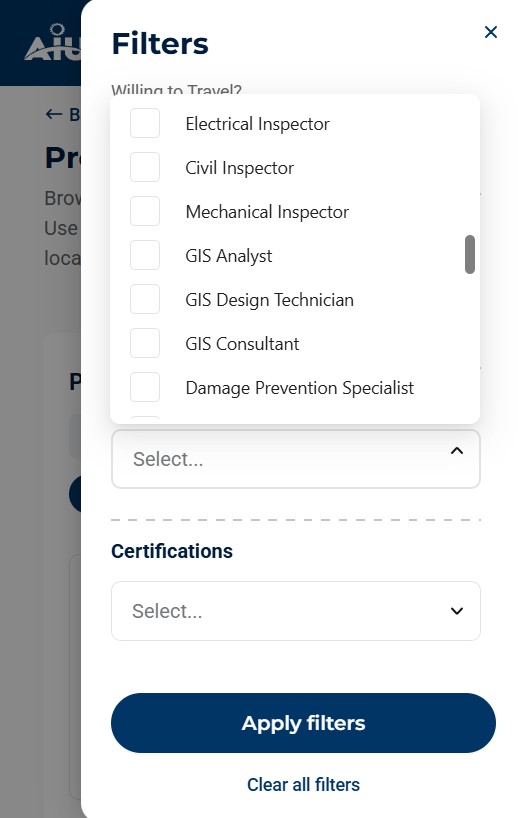
Generic tech job boards ignore energy domain skill. ARKLA INTEGRITY UNITED lets you show both: your software stack and your understanding of pipelines or grids. Providers can filter for exact tools such as ArcGIS, PODS or Part 107.
Join ARKLA Integrity United
where integrity meets opportunity.
Frequently Asked Questions
What does a pipeline GIS analyst do?
They build and maintain a pipeline’s digital map and asset records, which support integrity, operations and regulatory reporting.
Do drone inspectors need a license?
Yes. Commercial drone pilots in the USA need an FAA Part 107 Remote Pilot Certificate.
Is OT cybersecurity a good career in energy?
Yes. Federal pipeline and grid security rules keep demand for specialists strong.
Can I work remotely in energy technology?
Many GIS, data and cybersecurity roles allow remote or hybrid work.
How does ARKLA help tech professionals?
It makes your tools, certifications and energy experience searchable by U.S. energy providers.
What is operational technology (OT) in energy?
OT is the hardware and software that monitors and controls physical equipment, such as SCADA, PLCs and RTUs on pipelines and power grids.
Do GIS analysts in energy need field experience?
It is not always required, but it helps. Analysts who understand how pipelines and utility assets look in the field build more accurate data.
What does a pipeline data analyst do?
A pipeline data analyst combines inspection, operations and GIS data into reports and dashboards that engineers use to make integrity and maintenance decisions.